Exactly How POS System Works: A Comprehensive Overview for Company Owners
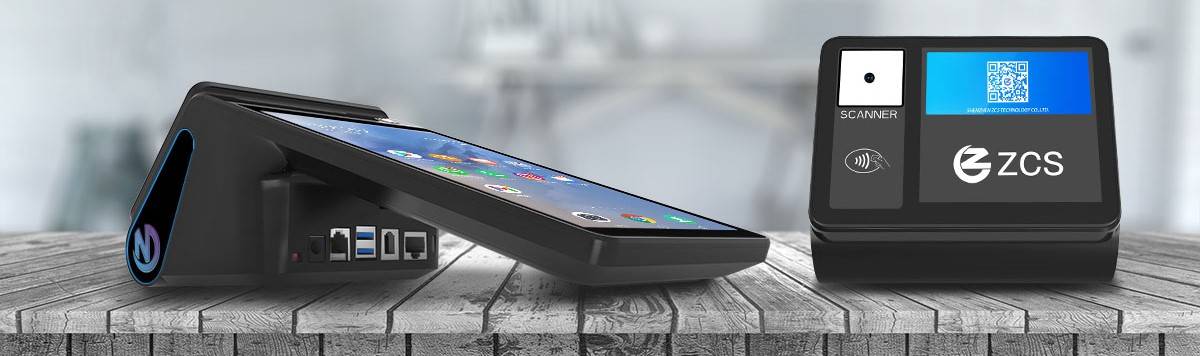
Recognizing the Elements of a POS System
Exactly How Sales Purchases Are Refined
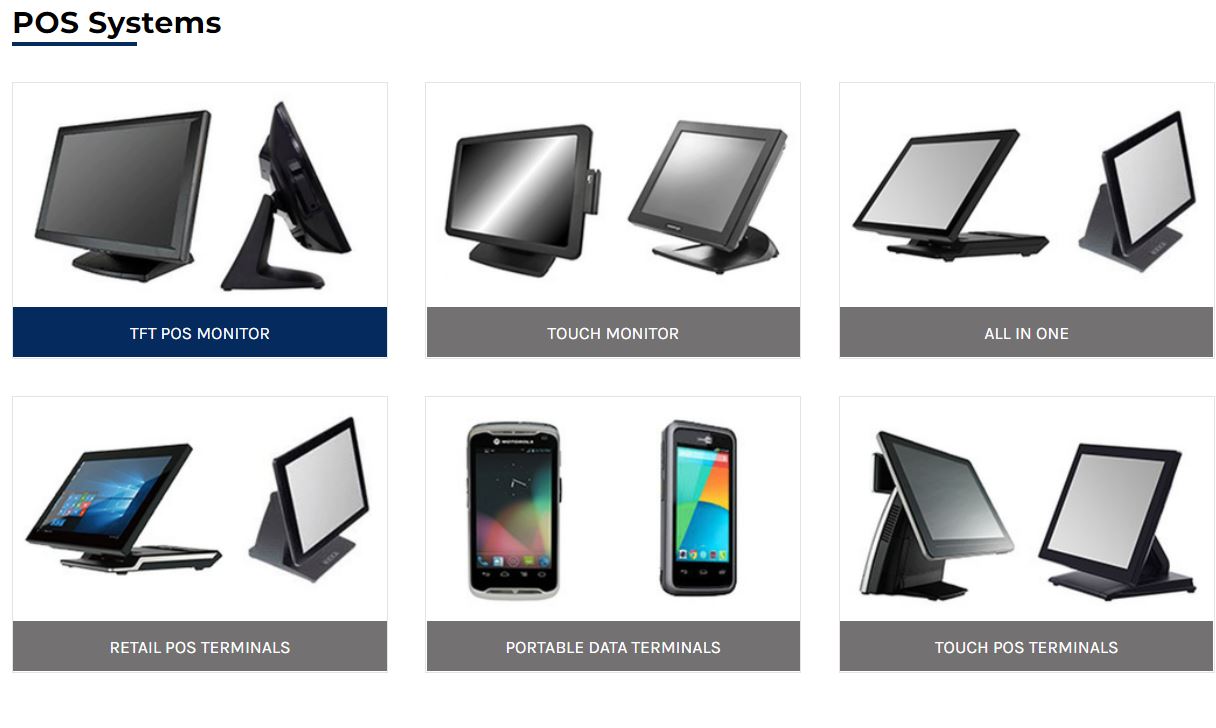
When a customer determines to buy, the sales purchase launches a collection of systematic actions within the POS system. Initially, the cashier inputs the items being acquired, which are scanned through a barcode visitor or by hand entered. This action recovers product information, consisting of pricing and suitable tax obligations, from the system's database.Next, the client exists with the total amount due. The POS system then refines the payment, whether through cash, charge card, or mobile repayment approaches (Restaurant POS Software). For digital settlements, the POS safely connects with settlement cpus to license and validate the transaction.Once the repayment is verified, the system generates an invoice, which can be published or sent out electronically. This receipt offers as receipt for the client. Finally, the purchase information is recorded in the system, making sure precise sales records and financial monitoring for business
Inventory Monitoring and Tracking
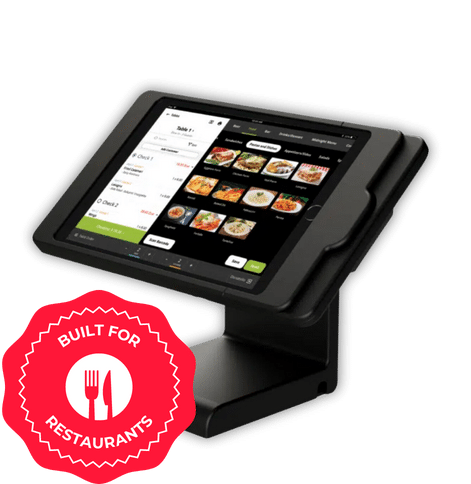
Efficient inventory monitoring and tracking are necessary elements of a POS system, as they assure that services preserve perfect supply levels and decrease disparities. A robust POS system enables real-time stock updates, mirroring returns and sales instantly. This enables company owners to monitor supply degrees precisely, guaranteeing that preferred products are conveniently offered while avoiding overstocking of much less preferred products.Additionally, advanced POS systems supply features such as computerized stock notifies and reorder recommendations, streamlining the procurement process. Barcoding and RFID modern technology enhance precision in tracking supply activity, reducing human error. Considerable coverage tools offer understandings right into stock turnover prices, helping services make educated choices regarding acquiring and item offerings. Ultimately, effective stock monitoring via a POS system not only improves operational effectiveness however also improves client satisfaction by making sure product accessibility.
Assessing Consumer Data and Insights
Client data analysis acts as an effective device for companies using a POS system (Restaurant POS Software). By accumulating and analyzing deal data, companies can discover useful insights concerning dig this customer behavior and preferences. This evaluation enables them to identify purchasing fads, peak buying times, and popular products, therefore notifying stock choices and advertising and marketing strategies.Additionally, organizations can sector their consumer base, permitting personalized marketing efforts that provide to particular demographics or purchasing behaviors. Understanding customer commitment patterns also aids in establishing targeted benefits and promos programs.The data gleaned from a POS system can additionally reveal insights into consumer comments, making it possible for businesses to make informed choices relating to item offerings and service renovations. Eventually, leveraging consumer data successfully can enhance the total shopping experience, foster customer fulfillment, and drive revenue growth
Advantages of Applying a POS System
Frequently Asked Questions
What Types of Services Can Benefit From a POS System?
Different businesses take advantage of a POS system, consisting of stores, dining establishments, salons, and e-commerce systems. These systems simplify deals, inventory monitoring, and client data, boosting operational effectiveness and boosting client experience throughout diverse sectors.
Just how much Does a POS System Typically Cost?
The price of a POS system usually ranges from a couple of hundred to a number of thousand dollars, relying on functions, hardware, and software. Companies need to take into consideration continuous costs for deal, support, and upkeep handling when budgeting.
Can I Integrate a POS System With Existing Software?
Incorporating a POS system with existing software program is commonly feasible. Numerous systems supply APIs or integrated compatibility functions, permitting services to simplify operations and enhance capability by connecting different software application applications effectively.
What Training Is Needed for Team to Use a POS System?
Training for team to use a POS system generally consists of understanding software program functionalities, refining transactions, taking care of inventory, and managing client interactions. Practical presentations and hands-on practice sessions improve efficiency and confidence in utilizing the system properly.
What Happens if the Web Decreases While Using a POS System?
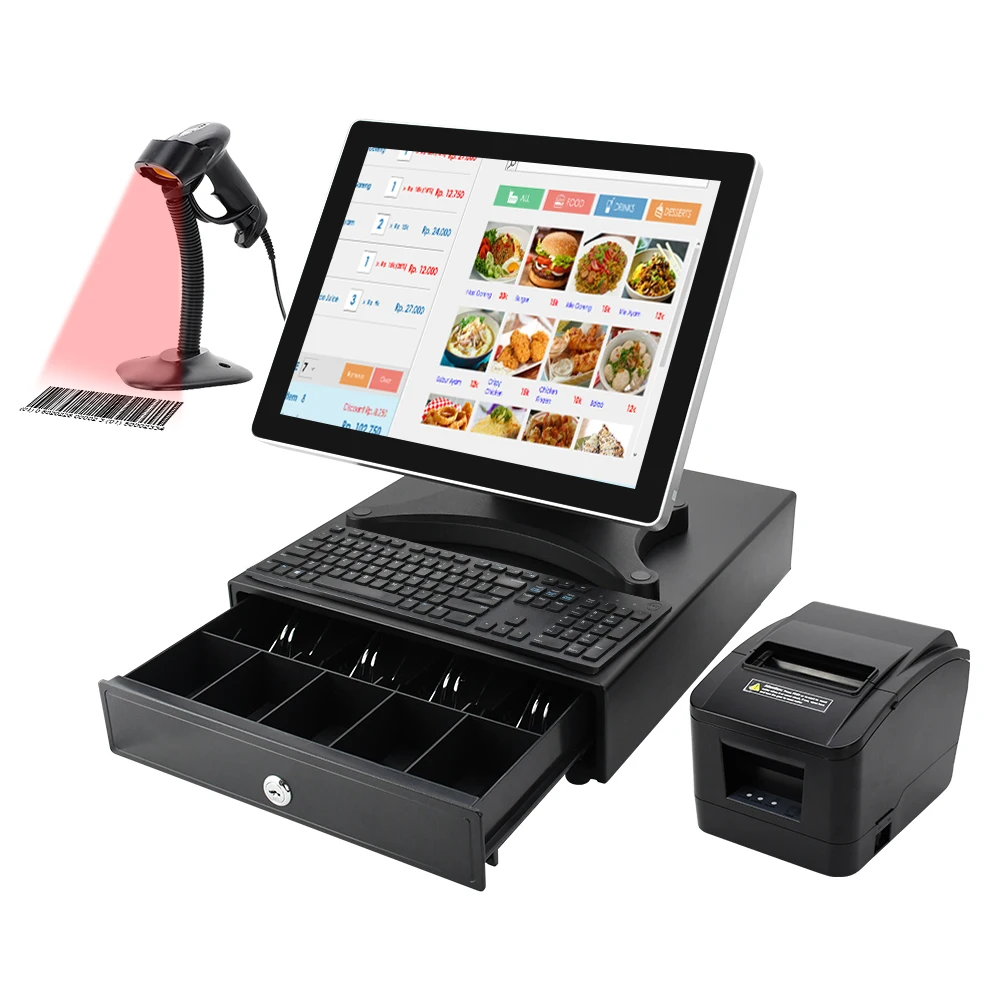
Transactions may be disrupted if the web goes down throughout POS system usage. Numerous systems supply offline abilities, allowing basic operations to proceed, but complete performance, including real-time stock updates, will be limited. A Factor of Sale (POS) system is composed of numerous crucial components that work with each other to handle and assist in deals business operations. Reliable inventory monitoring and tracking are vital parts of a POS system, as they ensure that services maintain ideal supply levels and reduce disparities. Customer information evaluation serves as a powerful tool for organizations using a POS system. Recognizing customer loyalty patterns likewise aids in developing targeted rewards and promos programs.The data gleaned from a POS system can also expose insights into customer feedback, enabling services to a fantastic read make enlightened choices concerning product use this link offerings and solution enhancements. Implementing a POS system uses countless benefits that can substantially enhance service operations.